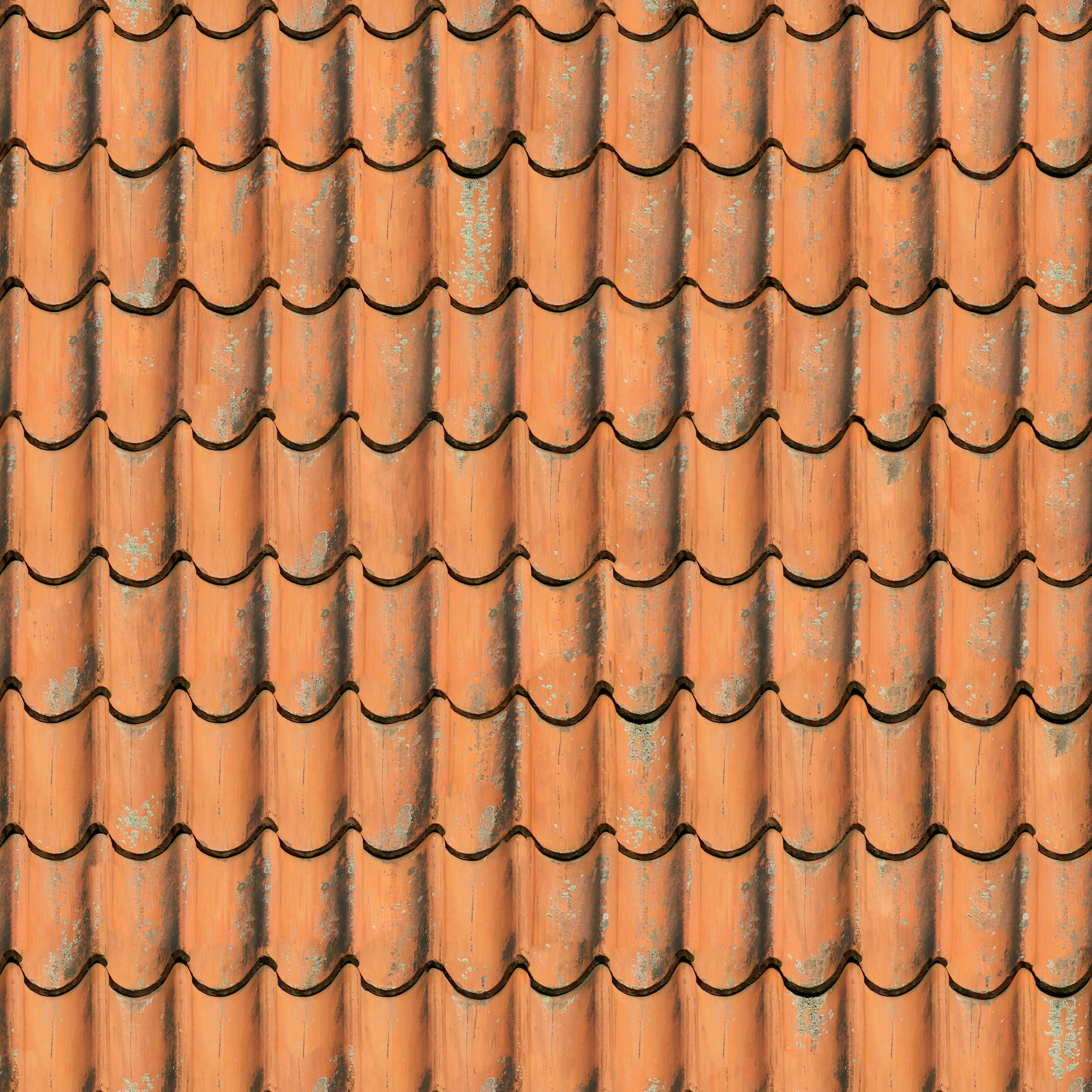
If you own a home in Miami, chances are you have a tile roof. Whether it’s the classic terracotta clay or durable concrete, tile roofs are a staple of South Florida architecture. They are beautiful, long-lasting, and excellent at handling our intense heat.
But they have one major weakness: they get dirty, and they are fragile.
Over time, Miami’s humidity creates the perfect breeding ground for black streaks, mold, mildew, and lichen. Your once-bright roof turns a dull gray or black. Naturally, you want it cleaned. But the horror stories are everywhere, homeowners hiring a "guy with a truck" who blasts the roof with high pressure, cracking dozens of tiles and causing thousands of dollars in damage.
The fear of broken tiles is real, but leaving your roof dirty isn't an option either. The algae eats away at the limestone in the tiles, and the dark color absorbs more heat, raising your AC bills.
The solution? No pressure roof cleaning.
In this guide, we’ll explain exactly how professionals handle tile roof cleaning in Miami using soft wash method without stepping on every single tile or blasting away the finish.
Why Miami Tile Roofs Are So Fragile
To understand why cleaning is risky, you have to understand the material.
1. The "Sun-Baked" Effect
Miami sun is relentless. UV rays beat down on your roof 12 hours a day, year-round. Over 10 or 15 years, this exposure makes clay and concrete more brittle. A tile that could support a person’s weight when it was new might snap under the same pressure a decade later.
2. The Design of the Tile
Barrel tiles (S-shaped) have a high arch. If someone steps on the arch (the high point), it has no support underneath and will almost certainly crack. Flat concrete tiles are sturdier but can still crack at the corners or if the underlayment is uneven.
3. Hidden Damage
Sometimes, the damage isn't visible immediately. A hairline crack caused by a careless pressure washer might not leak today. But after the next heavy tropical storm, water seeps through that crack, rotting the wood decking underneath. By the time you see the water stain on your ceiling, the damage is extensive.
The Dangers of Pressure Washing a Tile Roof
Many homeowners assume that "cleaning" equals "pressure washing." When it comes to driveways, sure. When it comes to tile roofs, absolutely not.
Here is why you should never let anyone use a high-pressure surface cleaner or wand on your tile roof:
It Voids Warranties: Most roofing manufacturers (like Boral or Eagle) explicitly state that high-pressure cleaning voids their material warranty. They know that 3,000+ PSI strips the protective coating and color from the tile.
It Causes Leaks: High pressure forces water under the tiles and into the underlayment. If your underlayment is older, this pressurized water can tear it, leading to immediate leaks.
It Spreads the Algae: Pressure washing blasts the surface dirt away, but it doesn't kill the root of the algae. In fact, it creates an aerosol spray that spreads spores to other parts of your home. The black streaks usually return in 6 months or less.
What is "No Pressure" or "Soft Wash" Roof Cleaning?
If you can't use pressure, how do you get the roof clean?
The industry standard for tile roof cleaning in Miami is a method called Soft Washing.
Soft washing relies on chemistry, not mechanical force. Instead of blasting the dirt off, we apply a specialized cleaning solution that kills the organic growth (mold, algae, lichen) on contact.
The Process:
- Preparation: We wet down all surrounding landscaping to protect it.
- Application: A low-pressure pump (similar to a garden hose sprayer, about 60-100 PSI) applies the cleaning mix to the roof.
- Dwell Time: The solution sits on the surface for 15–20 minutes. You can actually watch the roof turn from black to clean as the algae dies.
- Rinse: We gently rinse the roof with low pressure to remove the dead organic matter and residual soap.
This method is 100% safe for your tiles because it uses no more pressure than a heavy rainstorm.
The "No-Walk" vs. "Soft-Walk" Protocol
The biggest question we get is: "Will you be walking on my roof?"
Ideally, the answer is no.
The No-Walk Method
For many single-story homes or homes with accessible angles, we can perform no pressure roof cleaning in Miami entirely from the ladder or the ground. Using specialized long-range tips, we can shoot the cleaning solution up to 40 or 50 feet, covering the entire roof without ever setting foot on a tile.
The Soft-Walk Method
For large, complex, or two-story homes with deep valleys, it is sometimes necessary to get on the roof to ensure a thorough clean. When this happens, true professionals use a "Soft-Walk" protocol:
- Foam Walkers: We wear specialized shoes with soft foam soles that grip the tile without creating hard pressure points.
- Weight Distribution: We are trained to walk only on the "laps" of the tile (the bottom 3 inches where the tile overlaps the one below it). This is the strongest part of the roof because it is supported by the tile underneath and the roof deck. We never step on the arch or the middle of a tile.
- Safety Ropes: We use safety harnesses not just for our safety, but to reduce the weight we put on the roof. By keeping tension on the rope, we are essentially "floating" part of our weight rather than putting it all on the tiles.
Best Algae Roof Cleaner for Miami: Why Chemicals Matter
You might see "eco-friendly" products at the hardware store that promise to clean your roof without bleach. While we love the environment, the reality of Miami's climate is that Sodium Hypochlorite (the active ingredient in pool chlorine and household bleach) is the only thing that effectively kills Gloeocapsa Magma.
However, we don't just dump straight bleach on your roof.
A professional chemical roof cleaning in Miami involves a precise mix:
- Sodium Hypochlorite: To kill the algae and sanitize the surface.
- Surfactants (Soap): This makes the solution "sticky." It prevents the chemical from running off the roof too quickly, allowing it to cling to the steep tiles and do its job.
- Odor Maskers: To reduce the smell of chlorine.
- Water Buffer: To dilute the mix to a safe level that cleans the roof without damaging the tile surface.
This chemical mix provides a "100% kill ratio." Because the algae is dead down to the root, a soft-washed roof typically stays clean for 3 to 5 years, compared to the 6-12 months you get from pressure washing.
Protecting Your Landscaping
The only downside to chemical roof cleaning is the risk to plants. Sodium hypochlorite is a salt, and if it dries on leaves, it can burn them.
A professional Miami roof cleaning service will have a dedicated "ground guy" whose only job is plant protection. Their process includes:
- Pre-Soaking: Saturating the soil and leaves with fresh water before cleaning starts. Plants filled with water are less likely to absorb the chemical.
- Covering:** Using tarps or Tyvek to cover delicate flowers, koi ponds, or sensitive furniture.
- Continuous Rinsing: During the cleaning, the ground guy constantly sprays fresh water on the plants to dilute any runoff immediately.
- Post-Treatment: Some companies apply a plant-fortifying neutralizer at the end of the job to restore the pH balance of the soil.
If a company shows up with just one person to clean your roof, be careful. It is almost impossible to clean the roof and protect the plants simultaneously with only one person.
Conclusion: Don't Risk Your Roof
Your tile roof is one of the most expensive components of your home. Replacing it can cost upwards of $30,000 to $50,000. Saving a few hundred dollars by hiring an amateur with a pressure washer is simply not worth the risk of cracked tiles and voided warranties.
When you need tile roof cleaning in Miami, look for a company that specializes in soft washing. Ask them about their walking protocols, their chemical mix, and their plant protection guarantee.
A clean roof doesn't just look better—it lasts longer and keeps your home cooler.
Ready to restore your roof’s curb appeal safely?
Contact Miami Home Service today for a free, no-obligation quote. We treat your home like our own, ensuring a spotless clean with zero damage.