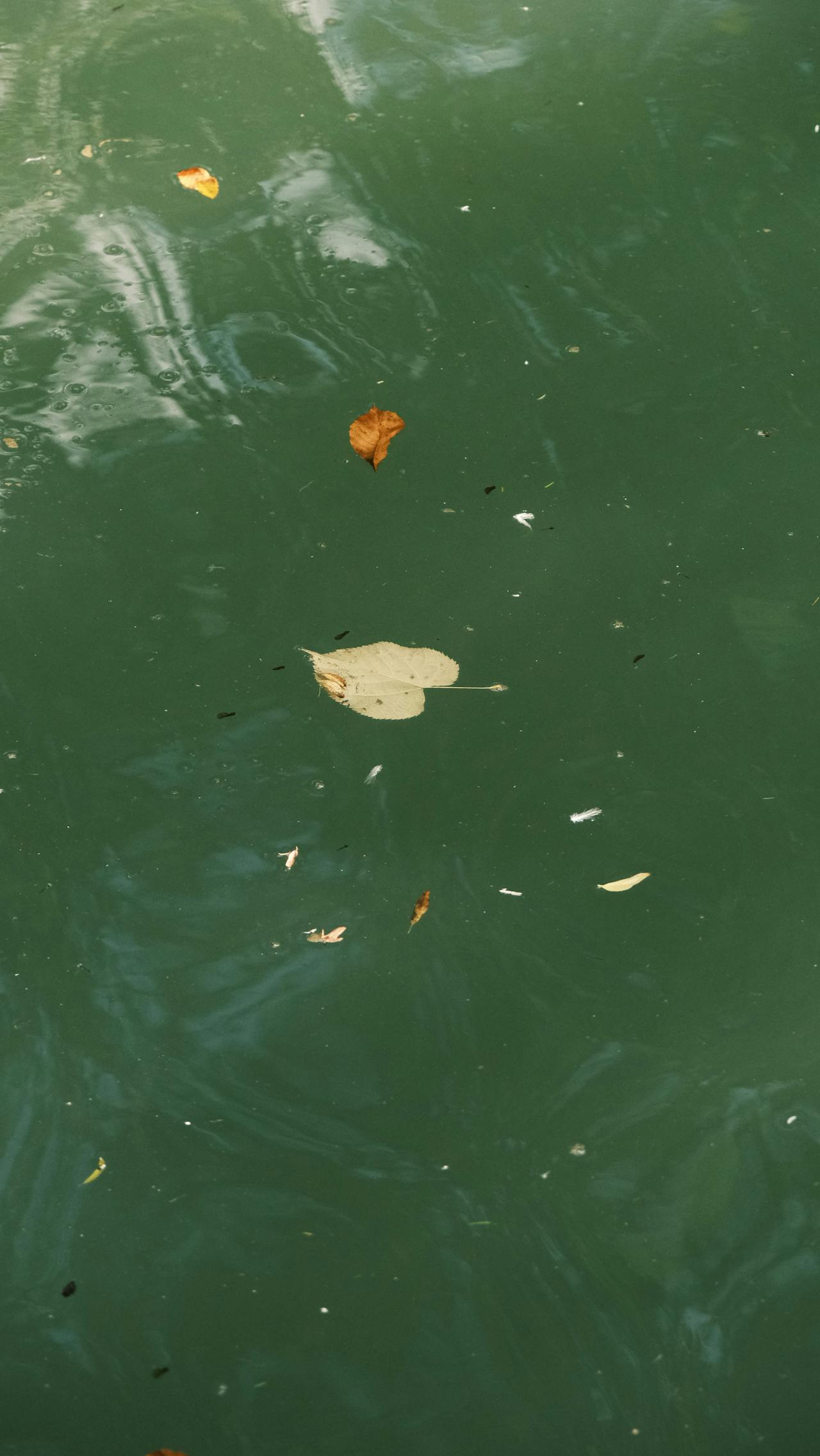
Why Miami Pools Turn Green — and Why It Happens Fast
Here's something every Miami pool owner eventually learns the hard way: our climate doesn't just love your pool. It also loves algae.
Leave your pool chemistry off by even a few points for a few days during a hot, rainy stretch — and the water that was crystal blue on Monday can look like pea soup by Friday. In Miami, algae doesn't give you the warning window you might get in cooler climates. The combination of 90°F water temperatures, intense UV, and heavy summer rain creates conditions where algae can bloom overnight.
If you're staring at a green pool right now, this guide walks you through exactly how to fix it — step by step — and more importantly, how to stop it from happening again.
What's Actually Making Your Pool Green
Before you throw chemicals at the problem, it helps to understand what you're dealing with.
The green color almost always comes from algae — specifically green algae (Chlorophyta), which thrives when:
- Chlorine is too low (below 1.0 ppm) — the sanitizer that normally kills algae is depleted
- pH is too high (above 7.8) — chlorine becomes significantly less effective even if there's enough of it
- Phosphates are elevated — algae food, often introduced by rain runoff, lawn fertilizer, or leaves
- Poor circulation — dead spots in the pool where water isn't moving allow algae to settle and grow
- The filter isn't running long enough — in Miami's heat, running your filter 8–12 hours/day is the minimum
Miami-specific factors that make this worse:
- Summer rain dilutes chlorine and drops pH/alkalinity almost every afternoon
- Heat accelerates chlorine consumption — what lasts 3 days in a northern climate might burn off in 1 day in Miami
- Lawn fertilizer — Miami's fertilizer season restrictions exist for a reason; phosphate runoff into pools is extremely common
- Shade from palms — shaded areas of the pool where algae can grow without UV exposure
How Green Is Your Pool? (Knowing This Matters)
Not all green pools are the same. The treatment approach and timeline depend on how bad it is.
| Stage | What It Looks Like | Typical Fix Time | What's Needed |
|---|---|---|---|
| Light Green | Slightly cloudy, greenish tint, you can still see the bottom | 2–4 days | Shock + filter + brush |
| Medium Green | Clearly green, hazy, bottom visible at shallow end only | 5–7 days | Heavy shock + filter overnight + daily brushing + clarifier |
| Dark Green / Swamp | Opaque, can't see bottom at all, possibly murky | 1–2+ weeks | Multiple shocks, filter cleanout, possible partial drain |
| Black or Mustard Algae | Spots on walls/floor, brushes off then returns | 1–3 weeks | Specialized algaecide, intensive brushing, possible replastering |
If you're at the "swamp" stage — no visible bottom, completely opaque — a professional pool service can get you there faster and with less chemical waste than DIY guesswork.
Step-by-Step: How to Fix a Green Pool in Miami
Step 1: Test Your Water First
Before adding anything, test your current levels. You need to know:
- Free chlorine (FC)
- pH
- Total alkalinity (TA)
- Cyanuric acid (CYA)
- Phosphates (optional but helpful)
You can use test strips for a quick read, but a liquid drop test kit (Taylor K-2006 is the standard) gives you more accurate numbers. Many pool stores will test a water sample for free.
Why this matters: If your pH is 8.0, shocking the pool is mostly a waste of money — chlorine is only about 20% effective at that pH. Get the pH down to 7.2–7.4 before shocking.
Step 2: Balance Chemistry Before Shocking
Adjust in this order:
- Lower pH to 7.2–7.4 using muriatic acid or dry acid
- Adjust total alkalinity to 80–120 ppm
- Check CYA — if it's above 80 ppm, your chlorine is over-stabilized and won't work properly. A partial drain may be necessary.
Don't shock until pH is in range. This is the step most DIYers skip — and then wonder why the shock didn't work.
Step 3: Shock the Pool (Heavily)
For a green pool, you're not doing a maintenance shock. You need to superchlorinate — raising free chlorine to a level that overwhelms the algae.
How much shock to add:
- Light green: 1 lb of calcium hypochlorite (Cal-hypo) shock per 10,000 gallons
- Medium green: 2 lbs per 10,000 gallons
- Dark green / swamp: 3–4 lbs per 10,000 gallons, repeated over multiple days
Cal-hypo (calcium hypochlorite) shock is the strongest and most effective for algae. Avoid using dichlor shock on green pools — it adds CYA with every treatment, which compounds the stabilization problem.
Add shock at dusk or after sundown. Sunlight destroys chlorine rapidly — shocking during the day wastes most of what you're adding.
Important: Pre-dissolve Cal-hypo in a bucket of water before adding to the pool. Never add it directly to the skimmer — it can damage your filter equipment.
Step 4: Run the Filter — Continuously
Turn your pump on and leave it running. During a green pool recovery, run the filter 24 hours a day until the water clears.
A pool filter has to physically remove dead algae from the water. If you're only running it 8 hours a day, recovery takes two to three times longer.
Check your filter pressure every day. When it rises 8–10 PSI above normal, backwash (for sand/DE filters) or rinse (for cartridge filters). A clogged filter can't clean the pool — and in a heavy algae recovery, it will clog faster than you're used to.
Step 5: Brush Every Day
This step sounds minor. It's not.
Algae adheres to pool surfaces. Brushing breaks it loose so the chlorine can kill it and the filter can remove it. Use a stiff nylon brush for plaster/pebble pools, or a soft brush for vinyl or painted surfaces.
Focus especially on:
- Steps and benches (algae hides in low-flow areas)
- Behind ladders
- The waterline tile
- Shaded corners of the pool
Brush daily until the pool is clear.
Step 6: Add a Clarifier (Optional but Helpful)
Once you've shocked and the water is starting to lighten but still hazy, a pool clarifier helps clump fine algae particles together so your filter can capture them. Follow the label instructions — adding too much clarifier can actually gum up your filter.
Flocculant (or floc) is a more aggressive version: it sinks all the debris to the bottom, which you then vacuum to waste. This can clear a pool faster than clarifier but requires more labor and wastes some water.
Step 7: Retest and Rebalance
After 48–72 hours of treatment, test your water again. If chlorine has dropped below 2 ppm and the pool is still green, shock again. Repeat until:
- Water is clear (or at least light blue/cloudy — the algae is dying)
- Free chlorine holds above 2 ppm for 24+ hours without adding more
- pH is 7.4–7.6
- Filter is running clean
Once the water clears, do a full water test and bring all levels back into proper range.
How to Prevent Green Pool from Coming Back
Fixing a green pool is satisfying. Preventing it from happening again is even better.
Keep Chlorine Levels Consistent
The single most important thing you can do. In Miami's heat:
- Target free chlorine at 3–4 ppm (slightly higher than the national 2–3 ppm guideline)
- Use stabilized tablets (trichlor) in a floater or automatic chlorinator for baseline dosing
- Shock after heavy rain, large swim parties, or if you haven't tested in 3+ days
Run Your Filter Long Enough
In Miami's summer, your filter should run 10–12 hours per day minimum, ideally split across the day and evening. A timer that cuts off at 6 hours to save electricity is a common cause of algae problems here.
Keep pH in Check
High pH is the most common reason chlorine stops working even when it shows adequate levels. Test pH 2–3 times per week during summer. Miami's hard water tends to push pH up naturally over time.
Watch for Phosphates
Phosphates are algae food. They enter the pool from:
- Rain runoff (especially if you fertilize your lawn)
- Leaves and organic debris
- Some pool chemicals
If your pool turns green repeatedly despite proper chlorine maintenance, test phosphate levels. A phosphate remover added monthly can eliminate this source.
Don't Skip Weekly Brushing
Consistent weekly brushing prevents algae from establishing a foothold on your pool's surfaces. Combined with proper chemistry, it's the most reliable prevention step. See our full Miami pool cleaning checklist for the complete weekly and monthly routine.
When to Call a Pool Professional
Some situations are better handled by a pro:
- Swamp pools where the bottom isn't visible — a professional can assess and treat more efficiently
- Black algae — this strain embeds into plaster and is extremely difficult to eradicate without professional-grade treatment and brushing
- Mustard algae — clings to walls and equipment, resistant to normal chlorine levels, requires specialized algaecide
- Repeated green pool despite correct chemistry — usually signals an equipment issue (failing chlorinator, inadequate circulation, or undersized filter)
- Pool that hasn't been opened or serviced in months — starting from a severely neglected state is faster with professional help
A professional green pool cleanup in Miami runs $150–$350 for a standard treatment, which often includes chemical costs, labor, and a follow-up check. For severely neglected pools, expect $300–$600 or more.
Miami Pool Chemistry Quick Reference
| Parameter | Target Range | Miami Tip |
|---|---|---|
| Free Chlorine | 2.0–4.0 ppm | Aim for the high end in summer |
| pH | 7.4–7.6 | Test 2–3x/week; Miami water runs alkaline |
| Total Alkalinity | 100–150 ppm | Buffer for pH stability |
| Cyanuric Acid (CYA) | 40–70 ppm | Above 80 ppm, chlorine becomes ineffective |
| Calcium Hardness | 200–400 ppm | Miami's hard water often runs high |
| Phosphates | Under 200 ppb | Use phosphate remover if elevated |
The Bottom Line on Green Pools in Miami
A green pool isn't a disaster — it's a chemistry problem with a predictable solution. Shock, filter, brush, repeat. The key is acting fast (the greener it gets, the more work it takes) and not skipping the pH correction step before you shock.
For routine prevention, consistent chlorine levels and adequate filter run time handle 90% of problems. Miami's climate just demands more attention than most — more frequent testing, higher chlorine targets, and not missing a week of maintenance during rainy season.
Need Help With Your Miami Pool?
Whether you're staring at a green pool that needs an emergency cleanup or you want reliable weekly service to make sure it never happens again — we can help.
Our pool service covers Miami-Dade and Broward County, including Doral, Kendall, Coral Gables, Brickell, and Miami Beach.
Get a free pool service quote →
Or check out our Miami pool cleaning schedule guide for the full weekly and monthly maintenance checklist.